5 Picture Books for 3rd - 5th graders
For Parents, Speech-Language Pathologists and other educators!
As an SLP, when addressing auditory and written language comprehension with students, visual supports can be extremely helpful not only for understanding the information, but retaining interest. This is what first inspired me to utilize picture books with all my student groups, including upper elementary-aged students. If you’re a parent trying to encourage reading with your student, but they aren’t loving chapter books, using a book on this list may be helpful to keep them engaged with reading.
I spent hours searching the web for books that were interesting and an appropriate level of complexity for my caseload that included students with language delays. Below you can find some of the books I come back to year after year that my students have loved, even as they near the end of their elementary school careers.
I’m Sorry you got mad
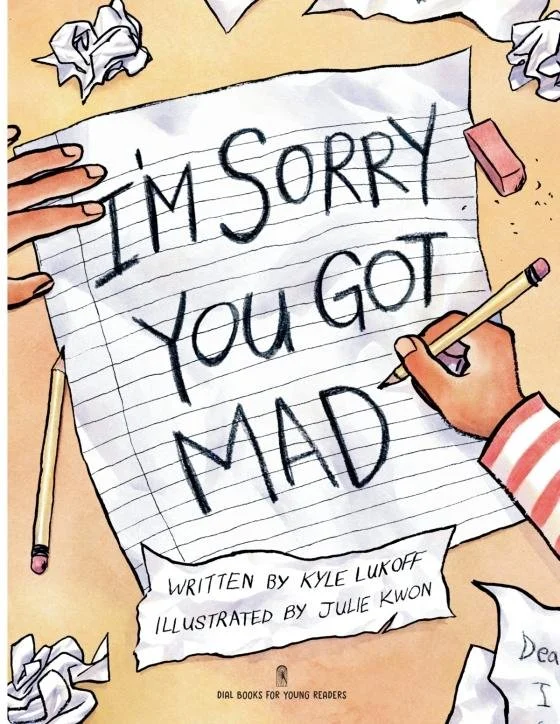
A story about a student learning how to apologize for his actions in class. This is a great book to use with elementary students working towards social communication goals including taking on the perspectives of others and communicating their feelings across academic settings.
No Monkeys, No Chocolate
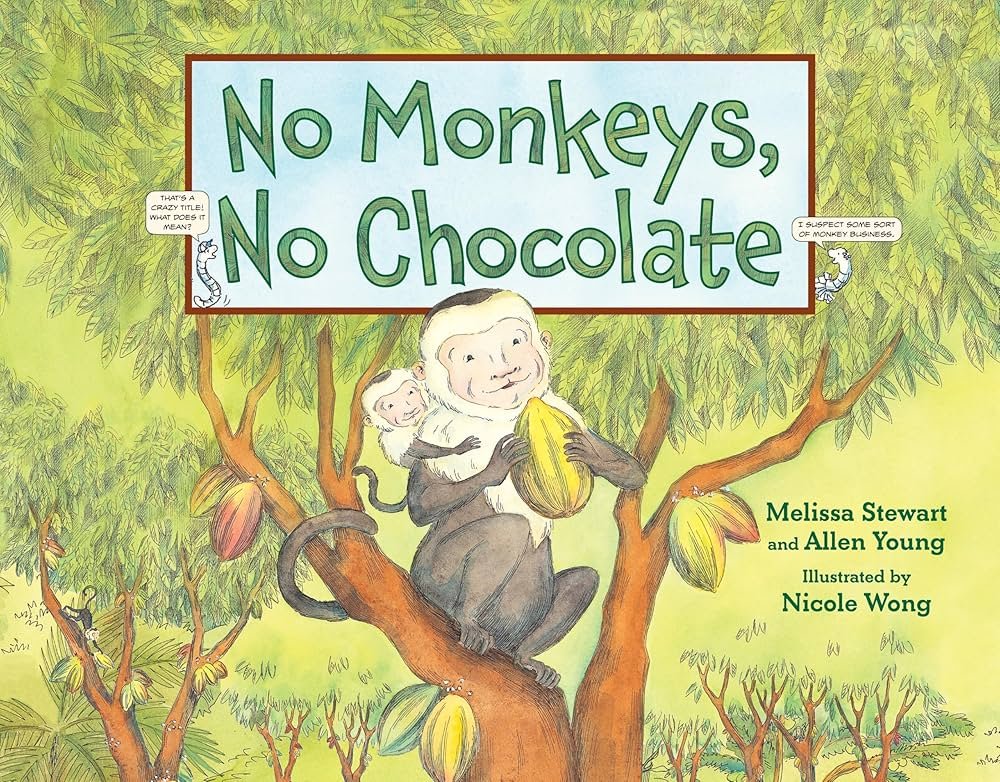
This book follows all the steps needed to get chocolate, all the way from monkeys dropping cocoa beans. An ideal book for students targeting sequencing and can align with science classes discussing ecosystems. If you’re able, ask science teachers for their key vocabulary lists and tie them into your activities!
Hoop Genius
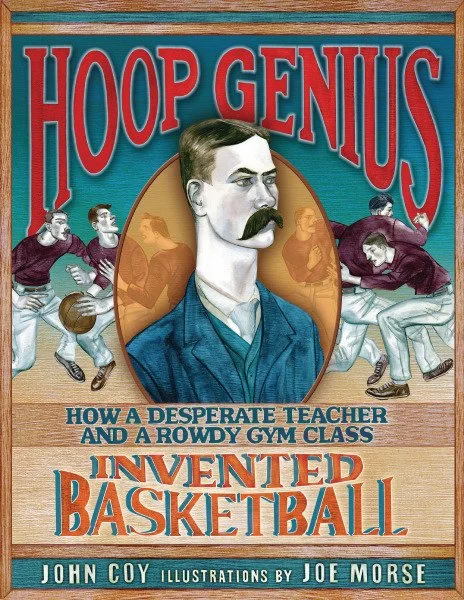
If you have students interested in basketball, this book outlines the origin of the sport. My 5th grade kids loved this one and it can serve as a great introduction into nonfiction books centered around their interests. You could also consider using this book in March, linking it to March Madness.
A Chair for my mother
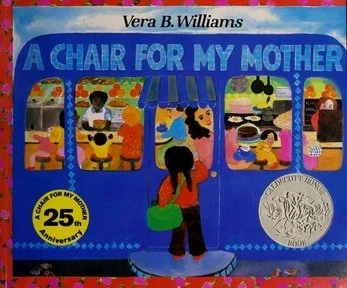
I normally use this book around the holidays as it covers more mature topics of loss and gratitude as we see a small family recover after a fire destroys their apartment. They are supported by their community and work together to get the one thing they are missing - a beautiful and comfortable chair.
The Boy Who harnessed the wind
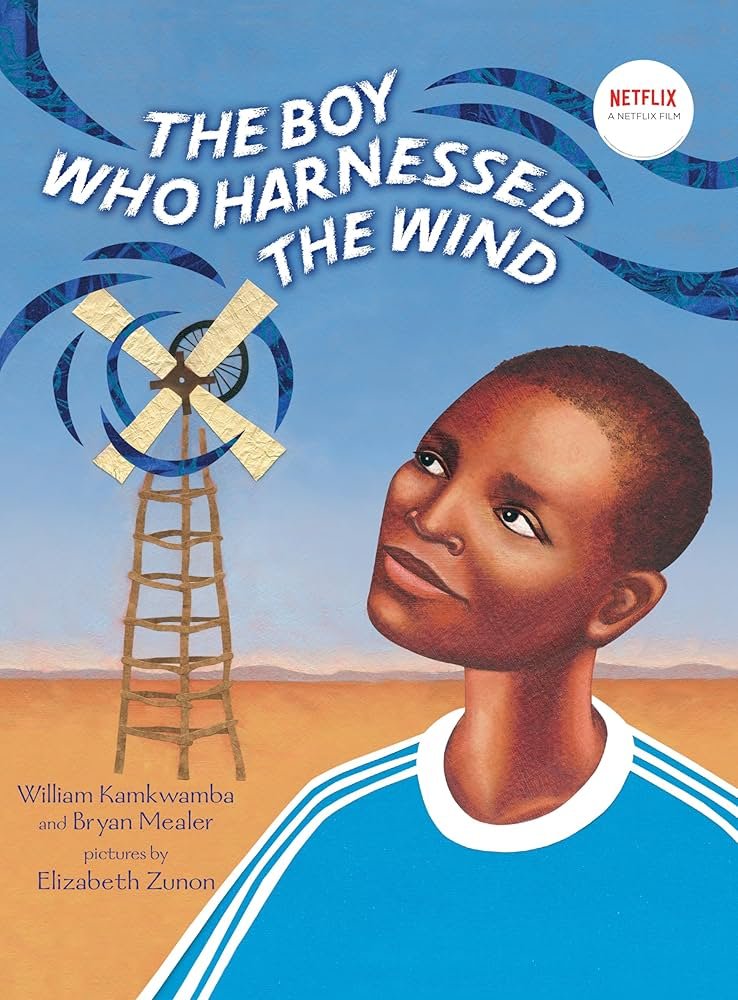
I love this book. Based on the true story of William Kamkwamba, a Malawian teenage, students learn about how he was determined to bring electricity to his village. Discussing a resourceful, talented, and determined young man is inspiring; I want my students to know that overcoming adversity and achieving goals that other scoff at is possible. In the past I have used this as a Black History Month book, or paired with science lessons targeting scientific method.
It has become evident to me that I enjoy collaborating with teachers, especially relating to science lessons, to make speech therapy sessions relevant to what students are learning academically. Doing so, it becomes more clear to the academic team your role with language intervention. I also find that students are more likely to transfer their speech/language skills to the classroom as they now have experience using their strategies with topics being covered in the general education setting. If you’re interested in exploring a literacy-based approach with your students, keep an eye out, because I will be publishing a post soon that includes a template for you to create your own all encompassing speech lesson plans.
